YOGA POSES

Statkriyas & Asana

A foundational visual reference to classical postures, alignment principles, and mindful movement pathways designed for daily practice and study.

CLASSICAL PURIFICATION

Shatkriyas (Shatkarmas): The Six Yogic Cleansing Techniques

Shatkriyas (or Shatkarmas) are a set of six classical purification techniques in Hatha Yoga designed to cleanse the body's internal channels (nadis), eliminate toxins, and prepare the system for pranayama and meditation.

01

Neti — Nasal Cleansing

Purifies the nasal passages and sinuses using water (Jala Neti) or a thread (Sutra Neti) to clear congestion and improve respiratory flow.

02

Dhauti — Internal Digestive Cleansing

Cleanses the esophagus and stomach through techniques like swallowing cloth (Vastra Dhauti) or controlled vomiting (Vaman) to remove excess mucus and acid.

03

Nauli — Abdominal Churning

Massages and tones the abdominal organs and core muscles by rolling the rectus abdominis muscles in a wave-like motion.

04

Basti — Yogic Colon Cleansing

Performs a colonic wash or dry enema using water or air suction to clear the lower intestine and relieve constipation.

05

Kapalabhati — Skull-Shining Breath

Uses forceful, rhythmic exhalations paired with passive inhalations to cleanse the respiratory tract, sinuses, and energize the brain.

06

Trataka — Focused Gazing

Involves steady, unblinking gazing at a fixed point (such as a candle flame) to improve eye health, focus, and mental calm.

TRADITIONAL PRACTICE GUIDANCE

Important Note on Practice & Safety

These classical purification practices are presented here for traditional educational and philosophical context. Many of these techniques involve internal cleansing and specific physical risks, and should never be attempted without personalized instruction from an experienced, qualified teacher and appropriate medical consideration.

CLASSICAL FOUNDATIONS

A Foundation of Mindful Practice

The classical asana practice is rooted in stability, comfort, and mindful awareness. Discover our comprehensive directory of foundational postures, detailing classical Sanskrit names, alignment guidance, and benefits to support your home and studio practice.

ASANA DIRECTORY

Foundational Postures

Explore foundational standing, seated, twisting, backbending, and restorative postures with emphasis on safe skeletal alignment.

01 • STANDING FOUNDATION

Tadasana

(Mountain Pose) Establishes tall skeletal alignment, grounded foot awareness, and calm standing stability.

02 • STANDING BALANCE

Vrikshasana

(Tree Pose) Cultivates focused attention, pelvic stability, ankle strength, and single-leg balance.

03 • STANDING STRENGTH

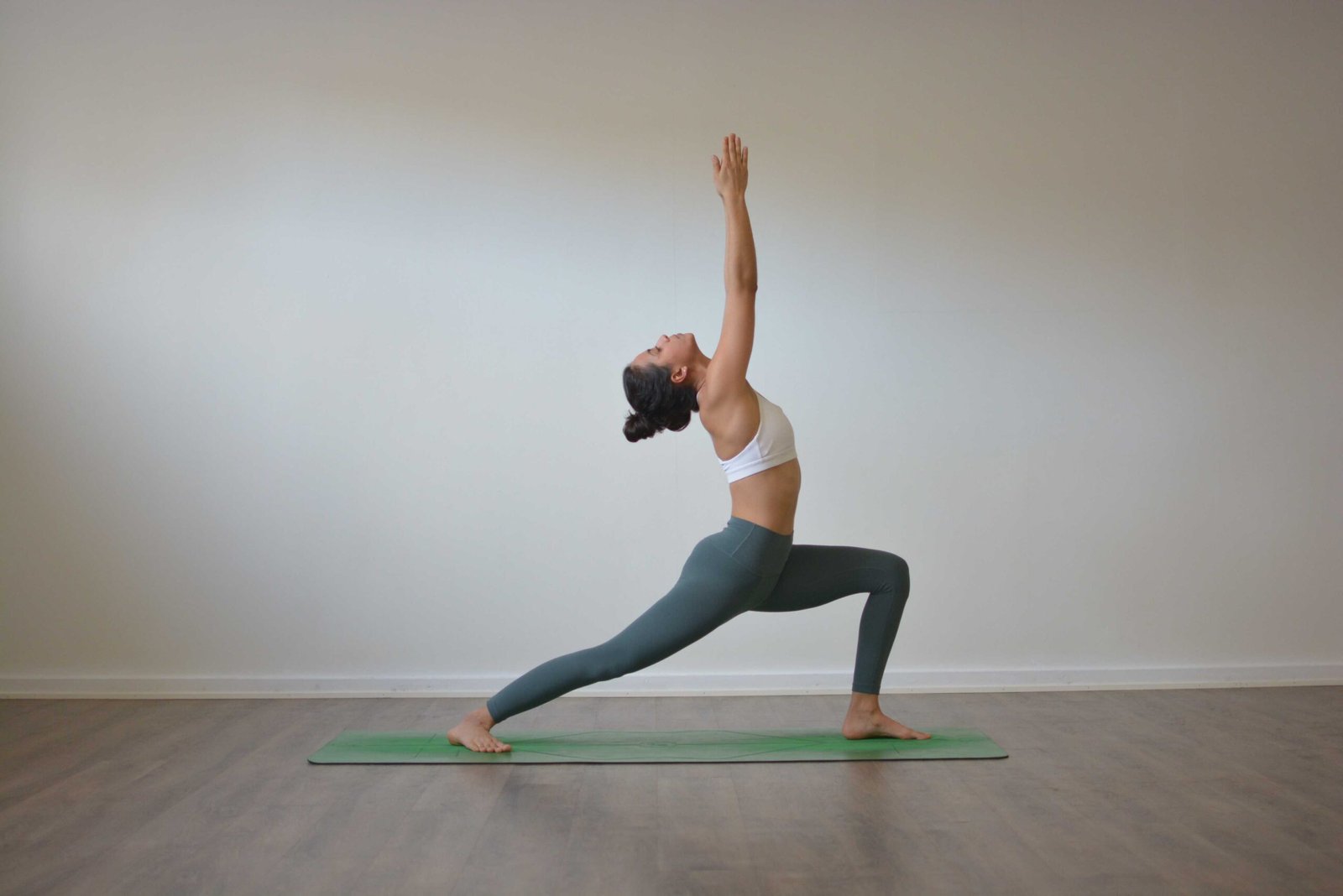
Virabhadrasana I

(Warrior I) Deep lunge posture building leg stamina, opening hip flexors, and expanding chest.

04 • STANDING STRENGTH

Virabhadrasana II

(Warrior II) Expansive standing pose strengthening quadriceps, opening hips, and refining gaze.

05 • STANDING BALANCE

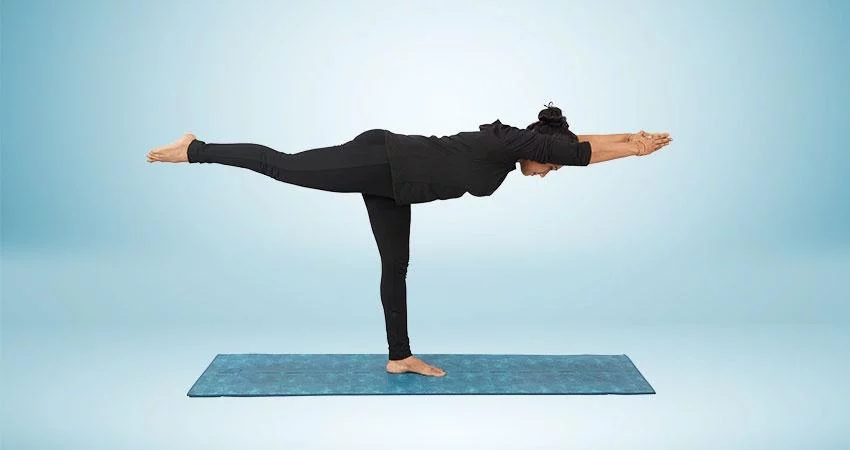
Virabhadrasana III

(Warrior III) Dynamic horizontal balance challenging full-body core control, hamstrings, and stability.

06 • STANDING EXTENSION

Trikonasana

(Triangle Pose) Foundational side extension opening hamstrings, hips, and lateral torso with ease.

07 • STANDING EXTENSION

Parsvakonasana

(Side Angle Pose) Powerful diagonal stretch from back heel to fingertips building resilient leg strength.

08 • FORWARD BEND

Padahastasana

(Standing Forward Bend) Calming forward fold stretching hamstrings and releasing spinal compression.

09 • SEATED FOUNDATION

Dandasana

(Staff Pose) Establishes upright seated posture, active spinal extension, and quadriceps engagement.

10 • SEATED MEDITATION

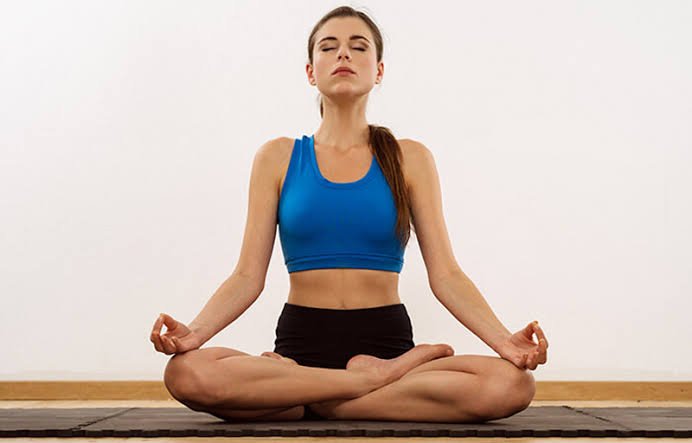
Sukhasana

(Easy Pose) Comfortable cross-legged seat ideal for pranayama breath awareness and centering.

11 • SEATED KNEELING

Vajrasana

(Thunderbolt Pose) Kneeling alignment aiding digestion, pelvic stability, and meditative stillness.

12 • SEATED HIP OPENING

Baddha Konasana

(Bound Angle Pose) Gently releases inner groin tension and promotes pelvic circulation.

13 • SEATED FORWARD BEND

Paschimottanasana

(Seated Forward Bend) Deeply restorative posterior fold calming the mind and lengthening the spine.

14 • SEATED FORWARD BEND

Janu Sirsasana

(Head-to-Knee Pose) Asymmetric seated fold stretching individual hamstrings and relieving lower back.

15 • SPINAL MOBILITY

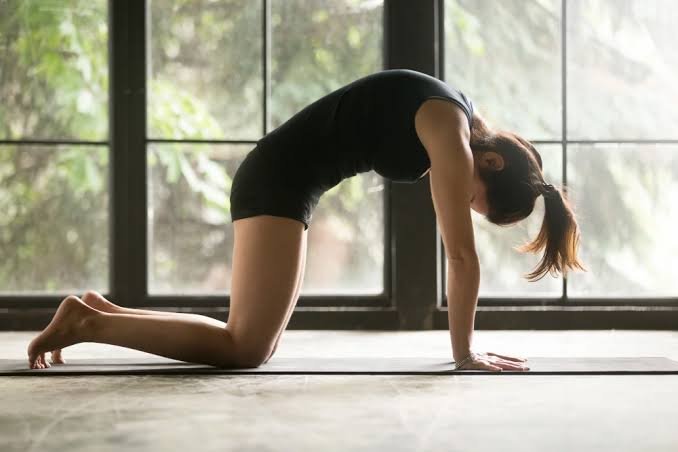
Marjaryasana

(Cat Pose) Gentle spinal flexion mobilizing vertebrae and coordinating breath with abdominal tone.

16 • SPINAL MOBILITY

Bitilasana

(Cow Pose) Gentle spinal extension expanding the chest, throat, and collarbones on inhalation.

17 • PRONE BACKBEND

Bhujangasana

(Cobra Pose) Strengthens posterior chain muscles, opens heart space, and deepens respiration.

18 • PRONE BACKBEND

Shalabhasana

(Locust Pose) Lifts upper torso and legs against gravity, strengthening erector spinae and glutes.

19 • PRONE BACKBEND

Dhanurasana

(Bow Pose) Expansive backbend opening anterior shoulders, abdomen, and hip flexors simultaneously.

20 • SUPINE BACKBEND

Setu Bandhasana

(Bridge Pose) Grounded supine backbend activating glutes, lifting chest, and decompressing neck.

21 • RESTORATIVE

Balasana

(Child’s Pose) Classic resting posture releasing spinal tension and down-regulating nervous system.

22 • INVERSION / FOUNDATION

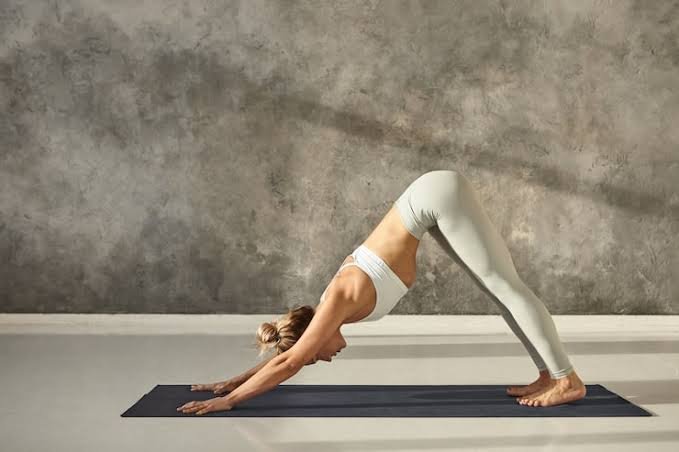
Adho Mukha Svanasana

(Downward Dog) Inverted posture lengthening hamstrings, decompressing spine, and strengthening arms.

23 • CORE STRENGTH

Phalakasana

(Plank Pose) Full-body integration building shoulder stability, wrist resilience, and abdominal tone.

24 • ARM BALANCE / STRENGTH

Chaturanga Dandasana

(Four-Limbed Staff) Low hovering posture developing triceps, shoulder integrity, and core alignment.

25 • CORE STRENGTH

Navasana

(Boat Pose) Seated balance posture developing deep transverse abdominals, hip flexors, and focus.

26 • SEATED TWIST

Ardha Matsyendrasana

(Half Spinal Twist) Seated spinal rotation promoting mobility, back comfort, and digestive vitality.

27 • SUPINE RESTORATIVE

Pavanamuktasana

(Wind-Relieving Pose) Calming supine release neutralizing lumbar pressure and soothing digestion.

28 • HIP OPENING / SQUAT

Malasana

(Garland / Yogic Squat) Deep functional squat lengthening lower back, opening pelvis, and grounding feet.

29 • KNEELING BACKBEND

Ustrasana

(Camel Pose) Kneeling backbend opening the entire front body, chest, and hip flexors with control.

30 • INVERSION

Sarvangasana

(Shoulder Stand) Classic inverted posture reversing circulation and cultivating quiet internal focus.

31 • INVERSION

Halasana

(Plough Pose) Calming inversion decompressing the posterior spine and soothing the nervous system.

32 • RESTORATIVE / INTEGRATION

Savasana

(Corpse Pose) Essential final posture of conscious relaxation, neural integration, and effortless presence.

ALIGNMENT PRINCIPLES

Principles of Mindful Posture

Steadiness & Ease (Sthira Sukham)

Every posture balances grounded physical stability with internal ease, avoiding strain or forced effort.

Breath Synchronization (Prana Vayu)

Movement naturally aligns with inhalation and exhalation, creating rhythm, presence, and calm nervous tone.

Mindful Progression (Vinyasa Krama)

Practicing with respect for individual anatomy through gentle adaptations that foster safe, long-term development.

PRACTICE WITH LIVE GUIDANCE

Deepen Your Asana Practice in Live Classes

Receive personal alignment guidance, breath cues, and intelligent modifications from experienced instructors in interactive live sessions.